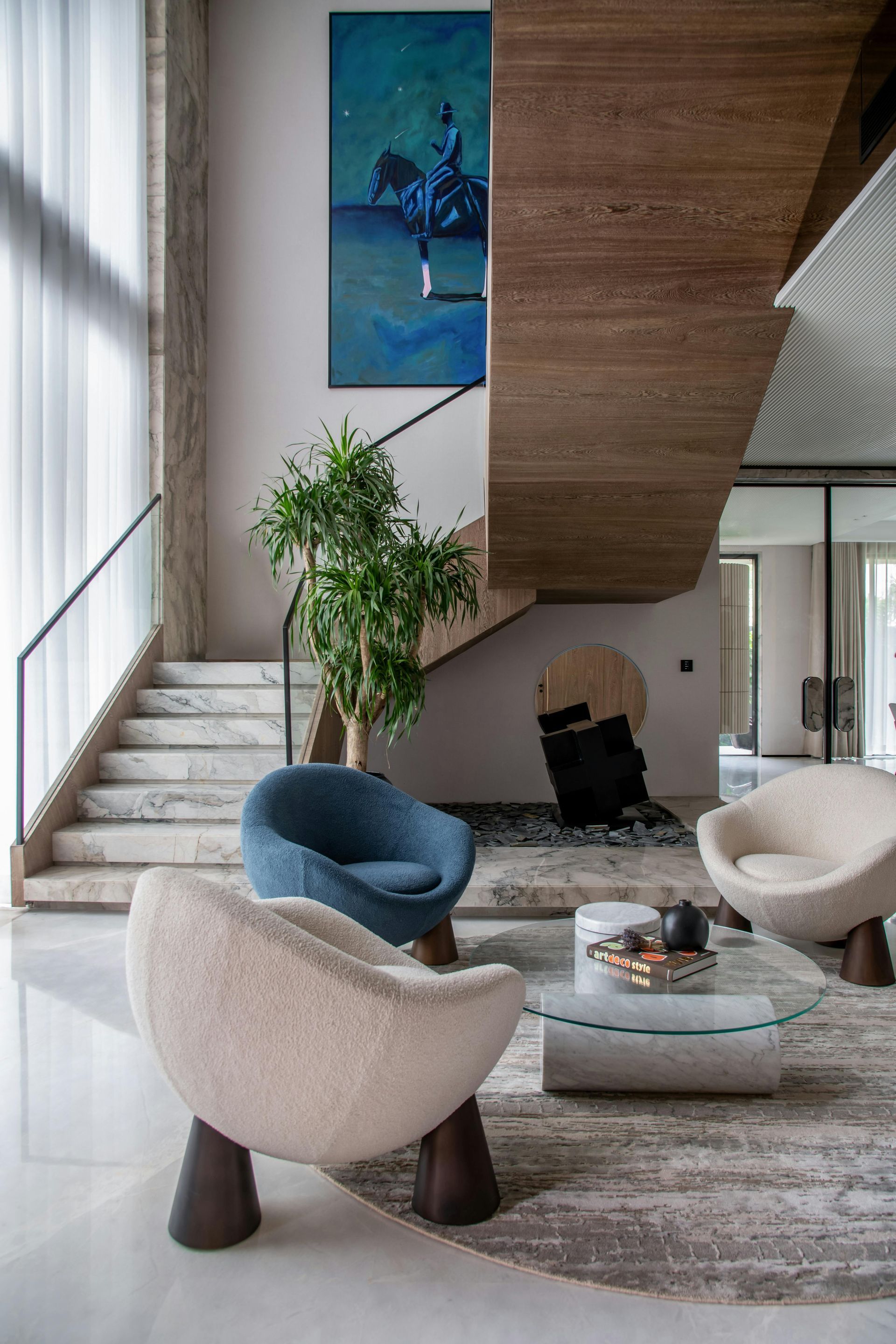
Creating a Calm Foundation with Color
Color is one of the most powerful tools in home design. Starting with a calm, neutral base, such as soft whites, warm beiges, or light grays, can make a space feel open and adaptable. From there, adding color through accents like pillows, rugs, or artwork allows for flexibility without overwhelming the room.
Natural tones inspired by the environment, such as greens and sandy hues, can also bring a sense of relaxation indoors. The goal isn’t to follow trends exactly, but to choose colors that create a mood you enjoy living in every day.
Layering Textures for Warmth and Depth
A room can feel flat even if it’s well-decorated, which is where texture becomes important. Mixing materials, like wood, metal, linen, and soft fabrics, adds dimension and interest. A
woven rug, a chunky knit throw, or a velvet chair can instantly make a space feel more inviting.
Texture also helps balance modern and traditional elements. Even a minimalist room can feel cozy when different surfaces and finishes are thoughtfully combined.
Letting Lighting Shape the Atmosphere
Lighting often gets overlooked, but it plays a major role in how a home feels. Instead of relying on a single overhead light, consider layering different types of lighting, such as floor lamps, table lamps, and wall fixtures. This creates a softer, more flexible atmosphere.
Warm lighting can make a space feel comfortable and relaxed, while brighter, cooler lighting works better for task-oriented areas like kitchens or home offices. The ability to adjust lighting throughout the day helps a home feel more dynamic and livable.
Adding Personality Through Art and Objects
A home should reflect the people who live in it. Artwork, books, and personal objects bring character into a space in a way that store-bought décor alone cannot. Whether it’s framed prints, travel souvenirs, or family photos, these elements tell a story.
Arranging items in small groupings rather than spreading them out can create a more intentional look. It also keeps spaces from feeling cluttered while still showcasing meaningful pieces.
Bringing Nature Indoors
Incorporating natural elements can instantly refresh a home.
Houseplants are a simple way to add life and color, and they can improve the overall atmosphere of a room. For those who prefer low maintenance, even dried arrangements or natural wood accents can have a similar effect.
Natural light also plays a role here, keeping windows open and unobstructed whenever possible can make spaces feel brighter and more connected to the outdoors.
Designing for Comfort and Function
A well-decorated home isn’t just about appearance, it should also support how you live. Furniture placement should encourage easy movement and conversation, while storage solutions help maintain a clean and organized environment.
Choosing pieces that are both practical and comfortable ensures that your home feels as good as it looks. Over time, small adjustments based on daily habits can make a space feel truly personalized.
Decorating a home is an ongoing process rather than a one-time project. By focusing on color, texture, lighting, and personal touches, you can create a space that feels both stylish and authentic. The best interiors aren’t perfect, they’re lived-in, evolving, and uniquely yours.