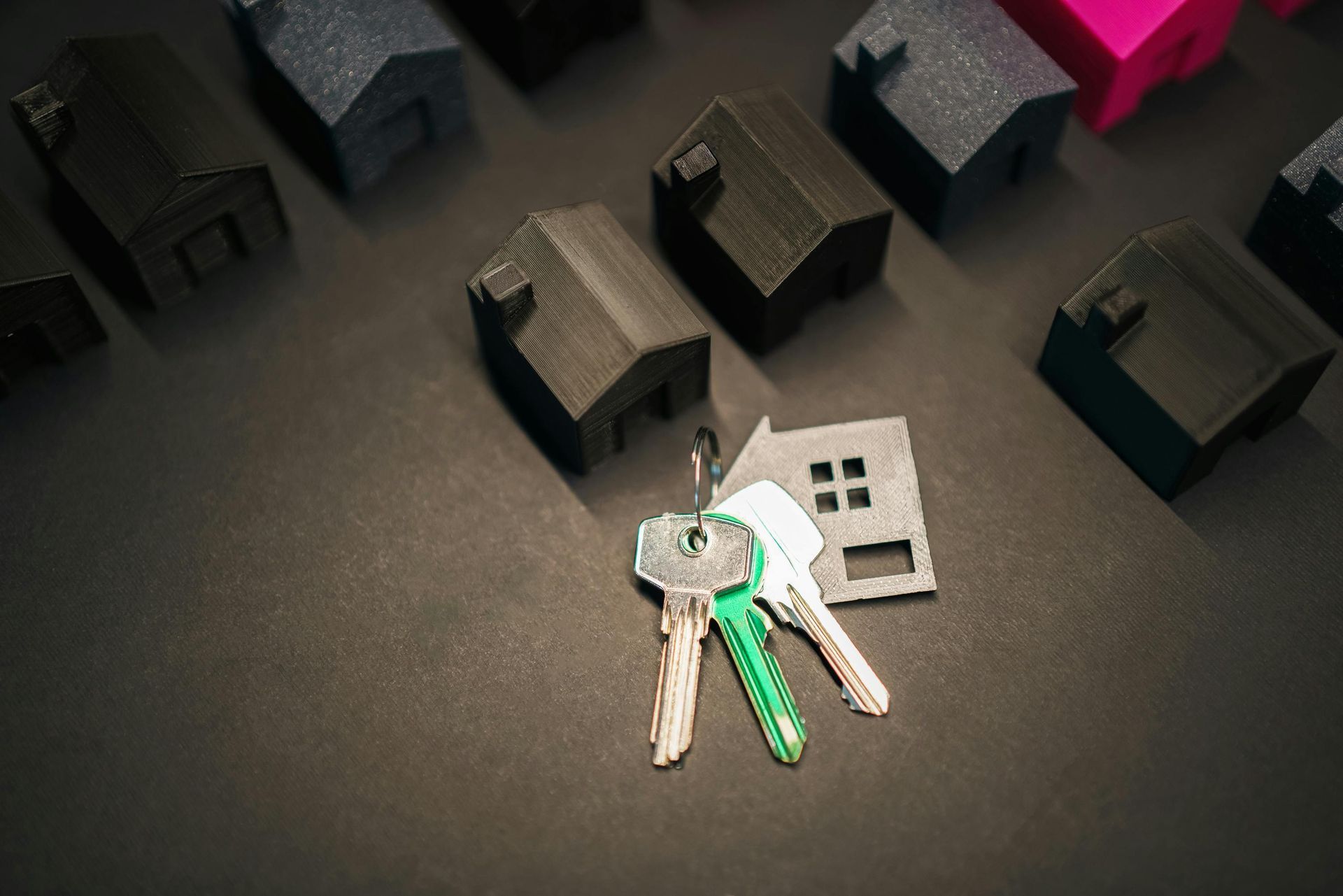
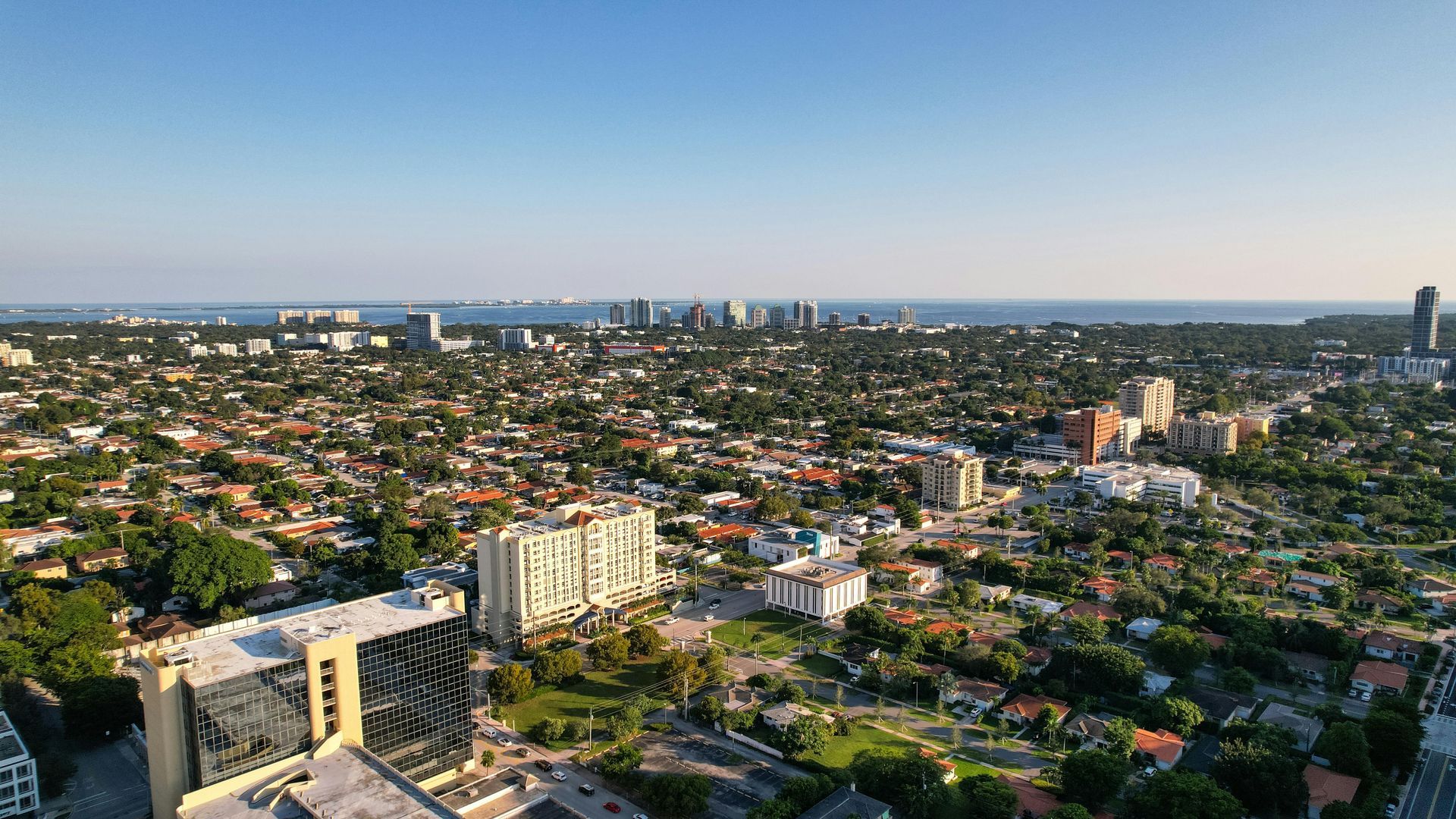
The Sunshine State’s fast-growing population, competitive housing market, and environmental factors mean buyers need to approach the process with both enthusiasm and caution. While it’s easy to get caught up in the idea of finding a dream home near the coast or in a vibrant metro area, a successful purchase depends on understanding the full picture.
Financial readiness is the foundation of any home purchase. In Florida, where home prices have risen steadily in many regions, buyers should look beyond just saving for a down payment. Lenders will closely
evaluate credit scores, income stability, and debt-to-income ratios before approving a mortgage. Getting pre-approved early not only clarifies your budget but also signals to sellers that you are a serious buyer in a competitive market. It’s also wise to leave room in your budget for unexpected costs, which can be more pronounced in Florida than in some other states.
One of the most important, and sometimes underestimated, expenses in Florida is homeowners insurance. Because of the state’s exposure to hurricanes and flooding, insurance premiums can be significantly higher, especially in coastal or low-lying areas. Buyers should research whether a property is in a flood zone and understand what additional coverage may be required. These costs can vary widely depending on location, age of the home, and construction type, so factoring them into your long-term budget is essential.
The condition and construction of a home are also particularly important in Florida’s climate. Heat, humidity, and severe weather can take a toll on roofs, HVAC systems, and structural components. A thorough home inspection is critical, but in Florida, it’s also worth paying close attention to the age of the roof, the presence of hurricane-resistant features like impact windows, and any history of water damage. These factors not only affect safety and maintenance costs but can also influence insurance eligibility and premiums.
Location plays a major role in the
Florida housing market, not just in terms of lifestyle but also long-term value. Areas near economic hubs such as Tampa continue to attract new residents, which can support property appreciation. However, buyers should also consider commute times, local infrastructure, and future development plans. Even within the same region, property values and living conditions can vary significantly from one neighborhood to another.
Another key aspect to keep in mind is the pace of the market. Florida has seen periods of intense demand, where homes can receive multiple offers quickly. This environment can create pressure to act fast, but it’s important not to let urgency override careful decision-making. Staying focused on your financial limits and must-have criteria can help prevent overextending yourself or settling for a property that doesn’t truly meet your needs.
Ultimately, buying a home in Florida is about more than securing a place to live, it’s about making a smart, sustainable investment in a state with distinct opportunities and challenges. By understanding the financial landscape, accounting for environmental factors, and approaching each step thoughtfully, buyers can navigate the process with confidence and set themselves up for long-term success.
If you're in the process of looking for a new home in Florida and are ready to get started,
get in touch with us today!